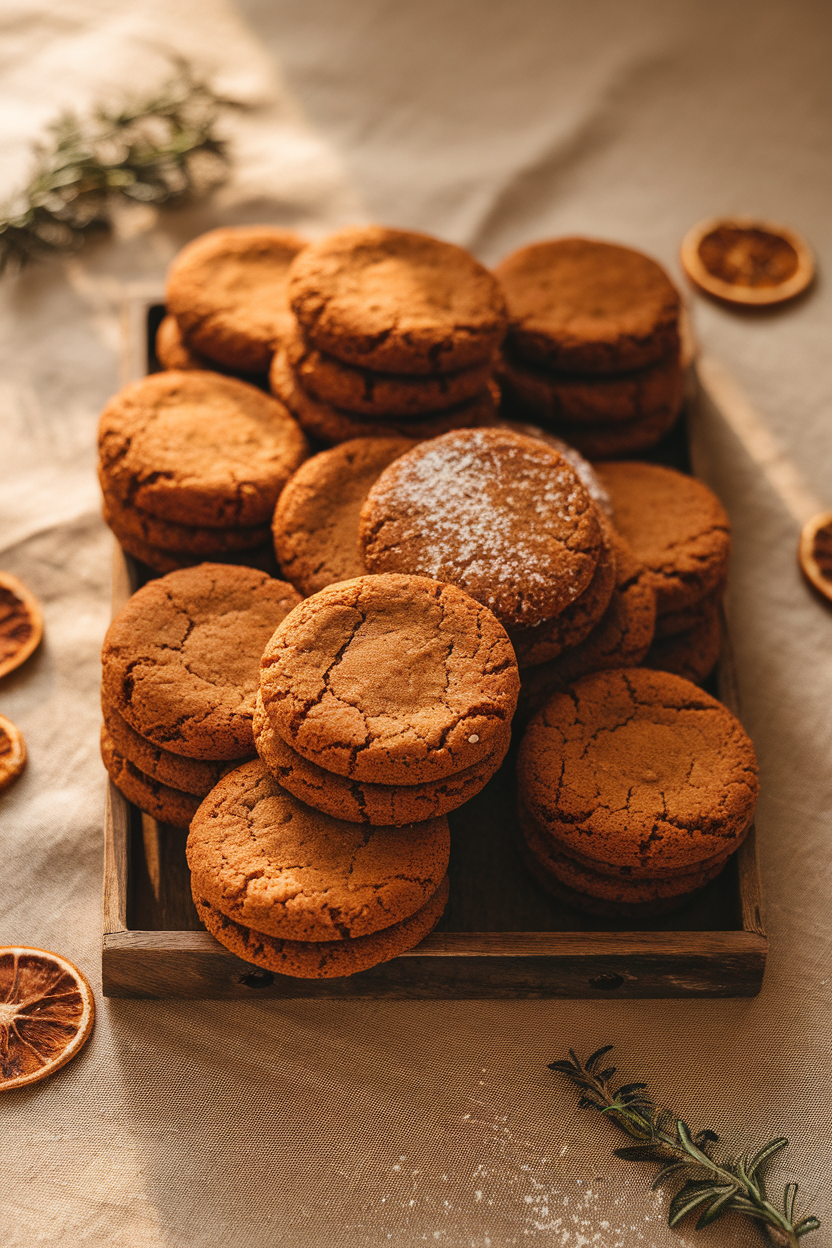
Gingerbread Secrets: Unlocking Deep Flavor and Perfect Chewiness with Molasses & Spice
Few aromas evoke the spirit of the holidays quite like the warm, inviting scent of freshly baked gingerbread cookies. These beloved treats, with their distinctive deep brown hue, perfectly spiced flavor, and delightfully chewy texture, are a festive staple in kitchens worldwide. But what exactly gives classic gingerbread its unique character? The secret lies in a masterful combination of key ingredients: rich molasses and a fragrant medley of spices, meticulously balanced to create a culinary masterpiece that’s both comforting and exhilarating.
From their soft, slightly yielding centers to their irresistibly crisp edges, gingerbread cookies are designed for joyous indulgence and creative decoration. Whether you’re crafting intricate gingerbread men, festive stars, or simple squares, understanding the core elements that define these holiday icons will elevate your baking from good to truly exceptional. Let's delve into the fundamental secrets behind truly magnificent gingerbread.
The Magic of Molasses: Deep Color & Irresistible Chewiness
At the heart of every great gingerbread recipe is molasses. This intensely dark, bittersweet, and wonderfully sticky syrup is the true architect of gingerbread's signature qualities. Far more than just a sweetener, molasses imbues gingerbread cookies with their characteristic deep brown color and that coveted moist, chewy texture that makes them so satisfying.
- What is Molasses? Molasses is a byproduct of the sugar refining process. It’s made by boiling down the juice of sugar cane or sugar beets until it becomes a concentrated syrup. As sugar crystals are extracted, the remaining liquid becomes thicker, darker, and richer in flavor, retaining minerals and compounds lost in refined sugar.
- The Chewy Factor: The complex sugars in molasses, particularly those that don't crystallize easily, are hygroscopic, meaning they attract and retain moisture. This property is crucial for keeping your gingerbread cookies soft and moist even after baking, contributing significantly to their delightful chewiness. Without it, your cookies would be dry and brittle.
- Color and Flavor Depth: Beyond texture, molasses is responsible for gingerbread's iconic deep, warm brown color. Its robust, slightly smoky, and bittersweet notes also add an unparalleled depth of flavor that brown sugar alone simply cannot replicate. This complexity is what truly defines classic gingerbread.
- Choosing the Right Molasses: For baking perfect gingerbread cookies, selecting the correct type of molasses is vital. You'll want to seek out true molasses, often labeled as light, medium, or dark. For these cookies, a medium or dark unsulphured molasses is ideal.
- Unsulphured vs. Sulphured: Sulphured molasses has been treated with sulfur dioxide as a preservative, which can impart a harsh, chemical taste that can overpower delicate flavors. Always opt for unsulphured molasses for the best taste.
- True Molasses vs. Blackstrap Molasses: These are not interchangeable in most recipes. Blackstrap molasses is the product of the final boiling of sugar cane syrup, making it the darkest, most concentrated, and most bitter variety, with a strong mineral flavor. While incredibly nutritious, its intense flavor profile is typically too strong for standard gingerbread, often leading to a less pleasant taste. Stick to true medium or dark molasses for your gingerbread.
- Pro Tip for Measuring: Molasses is notoriously sticky! To make measuring easier and cleaner, lightly coat your measuring cup or spoon with cooking spray or a neutral oil before pouring in the molasses. It will slide right out!
A Symphony of Spices: Crafting that Iconic Gingerbread Flavor
While molasses provides the foundation, it's the carefully chosen blend of spices that truly brings gingerbread cookies to life. This fragrant combination creates the warm, peppery, and utterly irresistible aroma and taste that define these holiday treats. The magic lies in the interplay of different spice profiles, creating a harmonious and complex flavor experience.
- Ginger: The Pungent Heart: As the name suggests, ground ginger is the dominant spice. It delivers a warming, pungent, and slightly spicy kick that is characteristic of gingerbread. Don't be shy with it; fresh, high-quality ground ginger is key for maximum impact.
- Cinnamon: The Sweet Warmth: Ground cinnamon adds a sweet, woody warmth that mellows the ginger's intensity and provides a comforting aromatic base. It's an indispensable component for balancing the flavor profile.
- Clove: The Aromatic Punch: Ground cloves contribute a strong, intensely aromatic, and slightly sweet-peppery note. Use sparingly, as cloves are potent, but their inclusion is crucial for that classic, deep gingerbread complexity.
- Ground Black Pepper: The Unexpected Depth: A secret weapon in many traditional gingerbread cookie recipes, a touch of ground black pepper might seem unusual, but it's a game-changer. It doesn't make the cookies spicy in a chili sense, but rather adds a subtle, peppery warmth and an intriguing depth that elevates the overall flavor profile, making it more sophisticated and memorable.
- Optional Additions: For those who love to experiment, a pinch of ground nutmeg or allspice can further enhance the flavor complexity, adding additional layers of warmth and sweetness. Cardamom can also introduce a delightful citrusy-floral note.
- Spice Freshness Matters: Ground spices lose their potency over time. For the most vibrant and flavorful gingerbread cookies, ensure your spices are fresh. Old, stale spices will result in flat, lackluster cookies.
Achieving Gingerbread Perfection: Tips for Soft Centers & Crisp Edges
The ideal gingerbread cookie boasts a delightful contrast: a soft, chewy interior cradled by delicately crisp edges. Achieving this texture requires attention to detail, particularly during the dough preparation and baking stages. Here are essential tips to ensure your gingerbread bakes up perfectly every time.
- Chill Your Dough Thoroughly: This is perhaps the most crucial step for working with gingerbread dough, which tends to be moist and sticky. Chilling the dough for at least an hour (and ideally longer, up to three days) in the refrigerator allows the fats to firm up, making the dough much easier to roll out and cut. Cold dough also spreads less in the oven, helping maintain those beautifully defined shapes.
- Roll Evenly: For cookies that bake up consistently, it's vital to roll the dough to an even thickness from edge to edge. Inconsistent thickness leads to some cookies being overbaked and dry while others are underbaked in the same batch.
- Tools for Even Rolling: A rolling pin with adjustable guides or ball bearings can greatly simplify this task. Alternatively, you can place two even-sized wooden dowels or rulers on either side of your dough as guides for your rolling pin.
- A Bench Scraper Trick: After rolling, you can place a piece of parchment or plastic wrap over the dough and gently smooth it with a bench scraper. This helps press out any air bubbles and ensures an ultra-smooth, even surface, much like applying spackle.
- Prevent Sticking with Parchment or Baking Mats: Rolling dough directly on a floured counter can lead to too much added flour, resulting in tough cookies. Instead, roll your dough between two sheets of parchment paper or directly on a nonstick silicone baking mat. This not only prevents sticking but also makes transferring cut shapes to the baking sheet effortless, minimizing tearing and distortion.
- Use Flour Sparingly: While a light dusting of flour on your counter, rolling pin, and cookie cutters is sometimes necessary, excessive flour can toughen your gingerbread cookies. Use just enough to prevent sticking.
- Bake to Perfection: Keep a close eye on your cookies as they bake. Gingerbread cookies are often done when the edges are just set and lightly golden, but the centers still look slightly soft. They will firm up as they cool. Overbaking will lead to hard, dry cookies rather than soft and chewy ones.
For even more expert advice on handling tricky doughs and achieving perfectly baked results, you won't want to miss our comprehensive guide: Mastering Gingerbread: Pro Tips for Perfect Rolling & Baking.
The Art of Decorating Gingerbread: Beyond the Bake
Once your beautifully spiced and chewy gingerbread cookies emerge from the oven, a whole new world of creative expression opens up: decorating! This is where the holiday fun truly begins, transforming simple cutouts into edible works of art.
- Classic Royal Icing: The go-to choice for decorating gingerbread, royal icing provides a smooth, hard finish that's perfect for intricate details and vibrant colors. It dries firm, making decorated cookies stackable and ideal for gifting. You can create different consistencies for outlining and flooding, allowing for a professional-looking finish.
- Simple Glazes: For a less formal approach, a simple powdered sugar glaze (powdered sugar mixed with milk or lemon juice) offers a softer bite and a quick, easy way to add a touch of sweetness and shine.
- Festive Embellishments: Beyond icing, the possibilities are endless!
- Currants and Candies: As suggested in traditional recipes, currants can serve as charming "buttons" or eyes on gingerbread men. Small candies, sprinkles, and edible glitter add pops of color and sparkle.
- Edible Markers: For precise details or writing, edible food markers are a fantastic tool, especially when decorating with children.
- Shapes for Every Occasion: While gingerbread men are iconic, don't limit yourself! Use a variety of holiday cookie cutters – stars, trees, snowflakes, bells – to create a diverse and appealing assortment. These are perfect for cookie exchanges, dessert platters, or even as edible ornaments for your Christmas tree, filling your home with their delightful aroma.
If you're looking for the absolute best recipe to get started with soft and chewy gingerbread, complete with decorating ideas, be sure to check out The Best Soft & Chewy Gingerbread Cookies for Holidays.
Planning Ahead: Making & Storing Gingerbread Dough
One of the many benefits of baking gingerbread cookies is how forgiving and freezer-friendly the dough is. Making the dough ahead of time can be a lifesaver during the busy holiday season, allowing you to spread out your baking tasks and enjoy a less stressful experience.
- Refrigeration: Once you've mixed your gingerbread dough, wrap it tightly in plastic wrap (or place it in an airtight container) and refrigerate for at least an hour to chill. It can be stored in the refrigerator for up to three days. This not only makes rolling easier but can also allow the flavors to meld and deepen slightly.
- Freezing Dough: For longer storage, gingerbread dough freezes beautifully. Wrap the dough ball very well in several layers of plastic wrap, then place it in a freezer-safe bag. It can be frozen for up to three months. This means you can get a head start on your holiday baking well in advance.
- Thawing Frozen Dough: For best results, thaw frozen gingerbread dough overnight in the refrigerator. Avoid thawing at room temperature, as this can lead to uneven softening and condensation, making the dough sticky and difficult to work with. Once thawed, you can proceed with rolling and cutting as usual.
- Baked Cookie Storage: Fully baked and cooled gingerbread cookies can be stored in an airtight container at room temperature for up to a week. If decorated with royal icing, ensure the icing is completely dry before stacking to prevent sticking and smudging.
Conclusion
The journey to creating truly memorable gingerbread cookies is a delightful exploration of flavor and technique. By understanding the pivotal role of molasses in delivering that signature deep color and moist chewiness, and by appreciating the intricate dance of warming spices, you unlock the full potential of this classic holiday treat. From precise dough handling and chilling to the joyful art of decoration, each step contributes to the magic. So, gather your ingredients, embrace the festive spirit, and prepare to fill your home with the irresistible aroma and taste of perfectly crafted gingerbread. Happy baking!
